
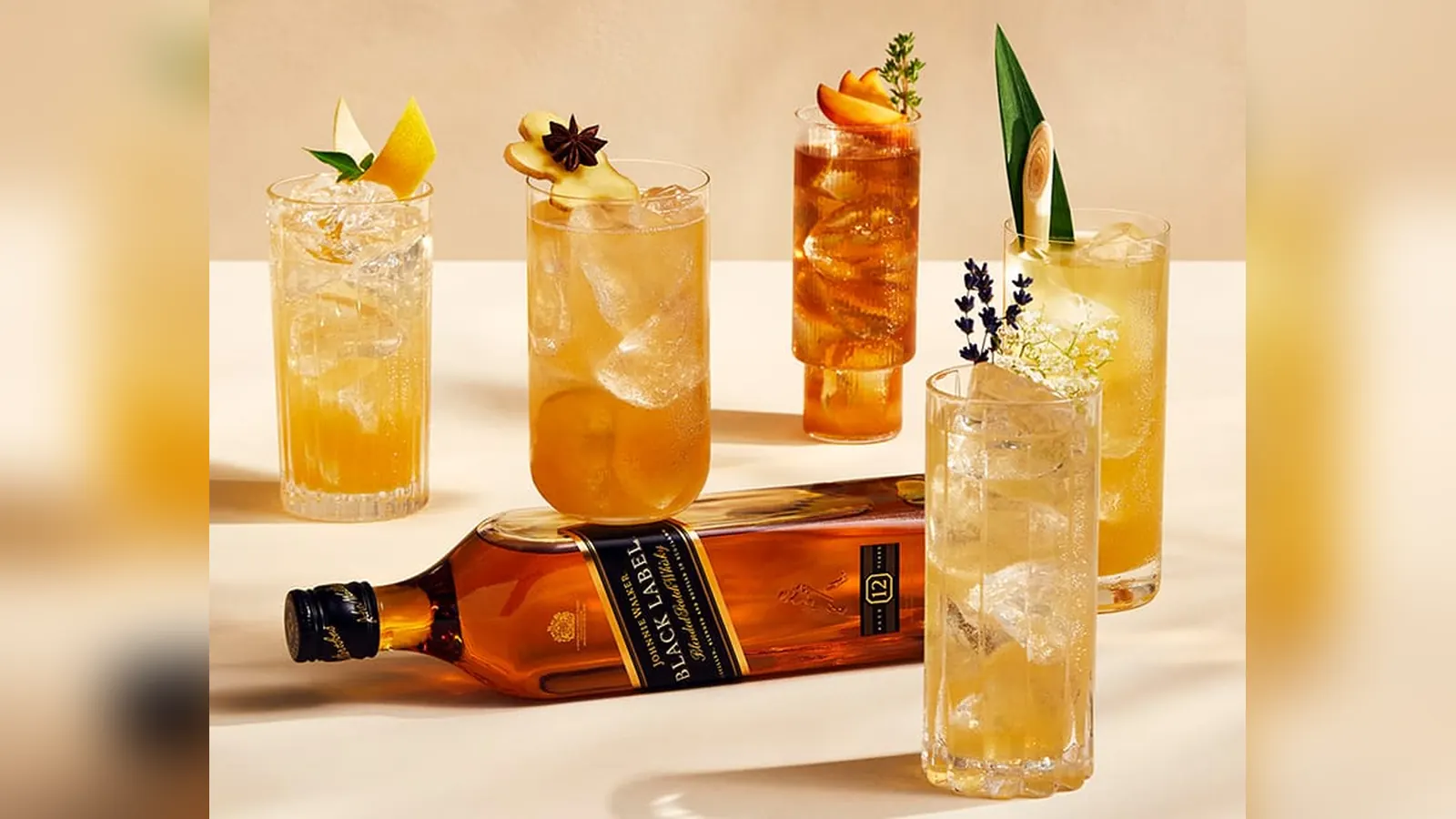
Johnnie Walker is the whisky name Manila’s bars, hotels, and offices ask for most, and our range alone now runs to ten labels. Red is the least expensive and Blue is the prestige bottle. The harder questions are in between: which label goes in the speed rail, which belongs on the back bar, and which makes sense for a client gift.
This guide explains each label in practical terms, from everyday highballs to premium pours, so you can stock a range that fits your guests and your budget.
What do the Johnnie Walker label colors mean?
The colors identify different blends, flavor styles, uses, and price levels within the Johnnie Walker range. They are not simply the same whisky aged for longer. Red is made for lively mixed serves, Black brings a rounded 12-year-old profile, Green is a 15-year-old blended malt, and Blue is the prestige choice.
Red and Black: the everyday starting points
Johnnie Walker Red and Black are the two labels most buyers begin with, but they do different jobs.
Red is the lively, accessible option. Its bolder profile holds up with soda, ginger ale, or another mixer, making it useful for highballs, casual events, and busy bars that need a recognizable Scotch at an approachable price.
Black is the step up for guests who want one bottle that works in several ways. The official Black page says its malt and grain whiskies have spent at least 12 years in casks. That extra depth makes Black comfortable neat, on ice, or in a highball. For many restaurants and hotel bars, it is the safest single Johnnie Walker to stock because the name is familiar and the serve can change with the occasion. In KTV rooms and nightlife venues that sell by the bottle, Black is usually the bottle guests order first.
If you need only one starting bottle, ask what your guests usually order. Choose Red for mixed drinks and value-led functions; choose Black when neat pours, whisky-and-soda orders, and gifting all matter.
Double Black and Gold Reserve: two different upgrades
Once you move above Black, the ladder stops being a simple question of “better” and becomes a question of style.
Double Black leans further into smoke and intensity. It suits a guest who already likes Black but wants a bolder pour, and it gives a bar an easy premium recommendation without jumping straight to a gift-level bottle. Try it neat, over a large cube, or in a spirit-forward cocktail where the whisky should still be noticed. Beside Black on a menu, it is the more robust option, and it is a common second bottle in KTV and bottle-service rooms. It also comes in a 1 L bottle, which suits high-volume bars.
Gold Reserve goes in another direction: softer, sweeter, and honeyed rather than smoky, with a gold bottle that looks the part at a celebration. That makes it a natural fit for hotel lounges, bottle service, milestone dinners, and gifts. It also comes in a 1 L bottle for busy lounges and banquets. It has no age statement, so do not describe it as older than Black; sell it on its style and presentation.
This is a useful pair for staff recommendations. Ask, “Would you prefer something bolder and smokier, or something smoother for a celebration?” The answer points toward Double Black or Gold Reserve without turning the conversation into a lecture.
Green and Blue: malt character and prestige gifting
Green is the unusual member of the core color range because it is a blended malt. That means the blend uses malt whiskies rather than combining malt and grain whiskies. The bottle carries a 15-year age statement, and the official range describes it as a 15-year-old blended malt. Green bridges familiar blended Scotch and the single malts in our guide to the different types of whiskey.
That makes Green especially useful when a guest wants to explore malt character but is not ready to choose a distillery. You can serve it neat or with a few drops of water, then compare it with a Speyside single malt such as The Singleton or The Macallan.
Blue is the prestige choice. It carries no age statement; its appeal comes from the selection and blending of whiskies, the presentation, and the reputation built around the label. It belongs in premium lounges, executive gift programs, VIP packages, and important celebrations where the bottle itself needs to make an impression.
For corporate orders, a larger group may appreciate Black or Gold Reserve, while Blue is better reserved for senior clients or major milestones. Matching the bottle to the relationship feels more considered than simply giving everyone the most expensive label.
If you are planning Christmas or year-end gifts, confirm quantities early. Popular gifting labels can run short in the weeks before Christmas, and an early order gives you time to adjust the mix if one label is limited.
What about Blonde, Black Ruby, 15YO Sherry, and XR 21?
The current Alcoline range goes beyond the six labels buyers usually compare.
Blonde is built for mixing: lighter and sweeter than Red, so it works best long, with soda, lemonade, or ginger ale and plenty of ice. It suits bars and events that want a Scotch highball for guests who do not usually order whisky.
Black Ruby keeps a connection to Black but leans toward richer fruit and sweetness. Use it where a cocktail menu needs a fruit-forward whisky, or as a talking-point upgrade for guests who already order Black.
15YO Sherry offers another clear talking point: sherry-cask influence and an age statement. It suits seasonal menus, after-dinner serves, and whisky flights. XR 21 is a 21-year-old blend, the oldest age statement in our Johnnie Walker range. It sits between Green and Blue for executive gifts and premium bottle service, and it gives buyers who want a stated age a clear step above Black 12 and Green 15.
Availability and bottle sizes can vary, so build the permanent menu around the labels your outlet can reorder consistently. Use the wider range for rotations, limited menu features, or gifting tiers. You can see the products Alcoline currently carries on our Johnnie Walker range page, while the brand’s official whisky range is useful for current product details.
How should you choose labels for your business?
Start with the occasions you actually sell, not with a desire to display every color. A neighborhood bar might need Red for highballs, Black as its dependable call whisky, and Double Black for an easy upgrade. A hotel lounge may get more value from Black, Green, Gold Reserve, and Blue because it serves neat pours, celebrations, banquets, and gifts.
Restaurants can keep the list tighter: Black covers mixed and neat orders, while Green or a single malt gives diners an after-dinner choice. Corporate buyers can use Black, Gold Reserve, and Blue as clear good-better-best gift tiers.
Do not forget the alternatives. A guest comparing familiar blended Scotch may also ask for Chivas Regal, while someone shopping for a malt may be happier with The Singleton or The Macallan. The goal is to explain the price difference and choose a bottle that fits the serve or recipient.
Whichever labels you choose, buy from a supplier that sources through brand-authorized channels. Genuine stock keeps the serve consistent from bottle to bottle, and one accountable supplier makes availability, documents, and delivery easier for procurement.
How many Johnnie Walker labels should you stock?
For most outlets, three or four permanent labels are enough. Start with one high-volume option, one premium upgrade, and one bottle for gifting or prestige pours. Watch sales for a month before adding more. Our guide to setting par levels for your bar explains how to turn that demand into sensible stock quantities.
Staff training matters as much as shelf width. Give your team one plain sentence for each bottle: Red for mixed serves, Black for versatility, Double Black for more smoke, Gold Reserve for celebrations, Green for malt character, and Blue for prestige. They can then ask one useful question instead of reciting tasting notes.
Serving also changes how guests understand the range. The brand’s official whisky guide covers neat pours, water, ice, mixers, and highballs. For more ideas, see our guide to different ways to drink whiskey. A thoughtful serve can make a familiar bottle feel more valuable without making the menu harder to manage.
Frequently asked questions
Is Blue Label the oldest Johnnie Walker?
No. Blue carries no age statement, so it should not be presented as the oldest label. Its premium position comes from the whiskies selected for the blend, its style, and its presentation. If age matters to the buyer, compare bottles that state one clearly: Black at 12 years, Green and 15YO Sherry at 15 years, and XR at 21 years.
Is Double Black older than Black?
Not necessarily. Black carries a 12-year age statement, while Double Black does not. Double Black is best understood as a bolder, smokier style rather than an older version of Black. That distinction helps staff recommend it accurately.
Which Johnnie Walker is best for a highball?
Red is a practical choice for lively, mixer-led highballs, while Black gives a rounder, more premium serve. Double Black works when you want the whisky’s smoky side to stay prominent. The right choice depends on your menu price, mixer, garnish, and guest.
Which label is best for corporate gifts?
Black is a recognizable, versatile gift; Gold Reserve feels more celebratory; and Blue suits senior recipients and major milestones. For more planning help, read our guide to alcohol gifting etiquette and choose tiers that match the occasion and recipient list.
Key Takeaway
The Johnnie Walker colors are different blends for different jobs, not one whisky arranged only by age. Red and Black cover everyday mixed and neat serves, Double Black and Gold Reserve offer two distinct upgrades, Green brings 15-year-old blended malt character, and Blue fills the prestige role. Choose the smallest range that covers your real occasions, train staff to explain each bottle simply, and review what sells. If you buy for a bar, restaurant, hotel, store, or company, open a trade account with Alcoline for current availability and a tailored quotation.